 Odacitizen.com News, Politics, Entertainment News & More
Related Articles


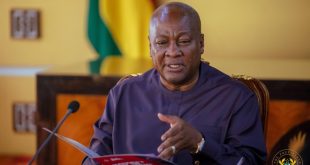
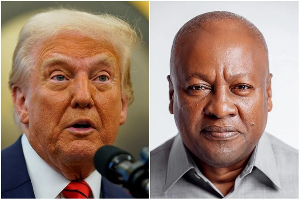
The United States, alongside Argentina and Israel, has voted against a resolution at the United Nations seeking to declare the slavery of Africans a crime against humanity.
The resolution, sponsored by John Dramani Mahama, was presented during the 80th session of the United Nations General Assembly.
US explains opposition
During deliberations, the US representative stated that the decision by Washington, under President Donald Trump, was based on legal and policy concerns—particularly regarding calls for reparations.
According to the US position, slavery during the transatlantic era, though morally wrong, was not illegal under international law at the time, making present-day reparations legally difficult to justify.
The representative argued that the resolution attempts to apply modern legal standards to historical events, particularly referencing the concept of jus cogens, which governs peremptory norms in international law.
He further questioned the practicality of reparations, noting uncertainty about who would qualify as beneficiaries.
“The United States does not recognise a legal right to reparations for historical wrongs that were not illegal under international law at the time they occurred,” he stated.
Concerns over UN mandate
The US also argued that the resolution risks diverting the focus of the United Nations from its core mandate of maintaining global peace and security.
“The United Nations exists to maintain international peace and security… not to advance narrow agendas or create new costly mandates,” the representative added.
Despite opposing the resolution, the US acknowledged the historical injustices of slavery, including the transatlantic and trans-Saharan slave trades, and reiterated its position against such practices.
Broader debate on reparations
The vote highlights ongoing global divisions over how to address historical injustices tied to slavery and colonialism.
While supporters of the resolution argue it is a step toward justice and recognition, critics—including the US—maintain that legal and practical challenges make reparations difficult to implement under current international law frameworks.